Governance is not about being perfectly polished or fully prepared – it is about purpose, contribution and learning in action.
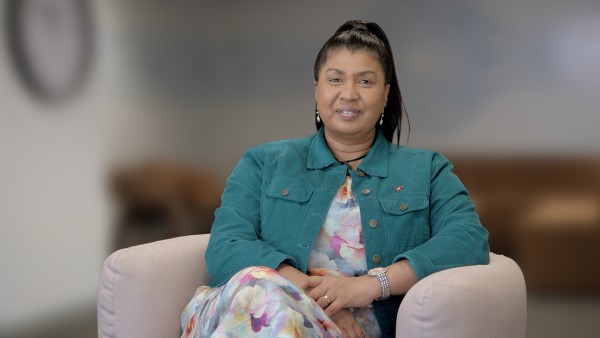
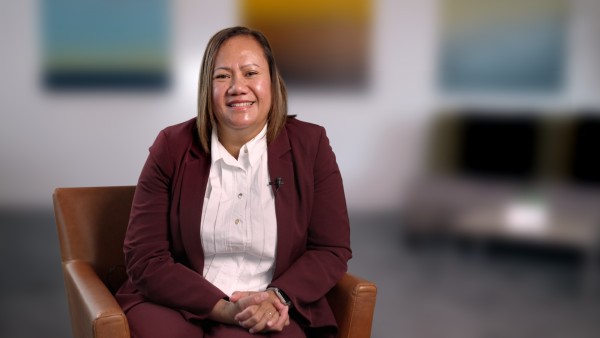
Seven women share their own pathways into governance. They offer practical insights, challenges they have navigated and experiences that have helped them grow. Their stories show there is no single ‘right way’ to step into the boardroom.
See the summary video "Connecting women with governing opportunities" or hear each of the individual stories to learn about each of these women’s unique experiences, strategies and practice advice.
Top tips to prepare for a governance career
Download top tips as a PDF:
Begin with clarity and confidence
- Back yourself: your experience, culture and lived perspective are legitimate sources of board value.
- Don’t wait to feel “ready”: readiness is built through action.
- Be clear on your why: purpose and values guide board choices and sustain you through challenge.
- See governance as service: align your board journey with causes and kaupapa you genuinely care about.
- Remember: you belong in the room.
Start where you are
- Community, voluntary, not-for-profit, school, sports and grassroots boards are credible governance experience.
- Start local and small to build confidence, then think long-term about where you want your governance career to go.
- If pathways don’t exist, create them – and bring others with you.
- Be open to trial and error – stepping away from a board that isn’t the right fit is part of good governance.
Be visible, create opportunities
- Reframe your professional experience through a governance lens – strategy, oversight, risk and stewardship.
- Invest in a clear, governance-focused CV that articulates board level contribution (not operational roles).
- Put yourself out there: research boards, apply and expect knockbacks as part of the journey.
- Use coffee conversations and intentional networking to learn, build confidence and increase visibility.
Continue to learn and invest in development
- Adopt a learning mindset: no one ever knows everything.
- Build governance literacy over time – seek mentors, sponsors and champions (formal and informal), especially experienced chairs. Seek director's webinars, newsletters and online platforms.
- Build financial confidence and understand organisational risk across financial, cultural and people dimensions.
Prepare, listen and be courageous
- Prepare deeply: read papers early, understand the context and come ready with thoughtful questions.
- Listen first, especially when new: deep listening strengthens relationships and decision making.
- Ask values based and practical questions early to ensure the board is right for you.
- Speak up and persist: you don’t have to be loud to be heard.
- Challenge respectfully by clarifying why you were approached and the full value you bring.