
Victim-survivors are now protected across a wide range of scenarios.
If someone’s behaviour is making you feel unsafe or distressed, reach out for help. Listen to your gut instinct and try not to minimise anything that’s happened to you. If you are in immediate danger, call 111. If you need Police but can’t speak for fear of harm, you will be asked to press keys for emergency assistance. For non‑urgent concerns, contact Police on 105 or online.
Specified acts include following, tracking, loitering, recording, doxxing (putting private information online), damaging reputation, and using technology or other people to continue unwanted contact.
Stalking behaviours which could cause someone to feel fear or distress could include someone waiting outside a place of work or loitering in places like shops, cafés, at church, the gym, or parks and events. It could also include contacting family, friends or colleagues for information, or posting harmful comments online.
The law recognises modern stalking methods, including digital tracking and using and harming other people, pets, or property. This ensures victims are protected across a wide range of scenarios.
The offence applies regardless of the relationship between victim and offenders, ensuring equal protection for victims of stalking by partners, ex‑partners, acquaintances, and strangers.
Women from a range of communities experience stalking in different ways. For example, disabled women may experience interference with medical care and threats to exploit disability. Women in the rainbow community may be stalked on dating apps, targeted by hate groups and stalkers may publicly release private information about the woman.
If it’s safe to do so, keep records of concerning behaviour. This could be a diary of loitering, tracking or property damage. It could be texts, emails and social media messages. You may be able to save screenshots and recordings, and security camera footage. You can keep gifts, notes or letters.
The following are stalking behaviours and examples of what that behaviour may look like.
Watching, following, loitering near or obstructing you
- Following or watching you, hanging around near your work or home.
- Turning up unexpectedtly in places you usually go such as your favourite cafe, gym, school, social group or a class.
- Blocking your car m your driveway or a carpark.
Recording or tracking you
- Monitoring you using phone tracking apps, CCTV, drones, dating apps or spyware.
- The same car parked wherever you go and/or tracking you.
- Alerts on your phone saying an unknown device is moving with you.
- Hidden cameras.
Contacting or communicating with you
- Unwanted texts, social media messages, emails, letters or phone calls.
- Turning up to your home or workplace uninvited.
- Leaving you unwanted gifts, notes or threats.
Damaging, devaluing, moving, entering or interfering with taonga or property (including pets) you have an interest in, whether they have an interest in them or not
- Slashing your tyres, moving or taking things that belong to you (such as your car, money, phone).
- Hiding things then moving them back to make you question yourself.
- Not letting you see your pets or threatening to harm them.
- Doing things you didn't agree to, such as mowing your lawns
Damaging or undermining your reputation, opportunities or relationships
- Telling lies about you to your friends, family (including children), work colleagues, potential employers. banks, government agencies, the courts.
- Slandering your business.
- Preventing access to your shared children or changing plans last minute.
- Posting intimate images or videos of you online.
Publishing any statement or other material relating to, or purporting to relate to you, or purporting to originate from you
- Impersonating you online or in writing, doxxing (putting your private information online).
- Sharing any personal information you do not want shared with others.
- Posting fake images of you online.
- Sending fake emails/texts pretending to be you.
Acting in any way that would cause fear or distress to a reasonable person
- Intimidating you by making friends with people you know, like your boss, landlord, friends or community groups.
- Leaving items that would be obvious to you they are from the person, in places they know you frequent or leaving mementos at gravesites.
- Making threatening gestures like throat slitting.
- Threatening your partner, family or friends.
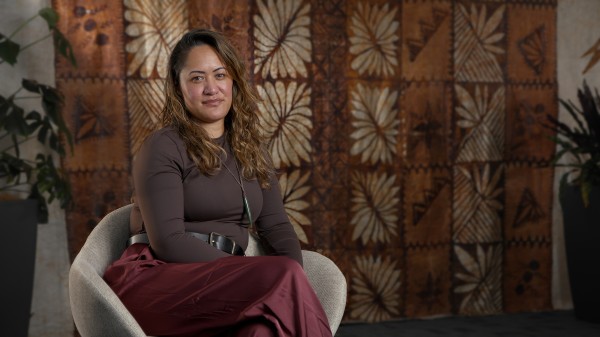
Naomi Ogg, Women’s Refuge
“I call it the three Cs. It's creepy, it's calculated and it's controlling… But the more that you talk about it, or the more that you share, the more insight people can have to what it is that you're going through”
Naomi Ogg, Women’s Refuge

Rachel Simon-Kumar, Shama Ethnic Women’s Trust
“There will be a tendency to feel guilt that somehow you have invited this yourself upon yourself. And that's the first thing you should not do. Do not judge yourself... There is help out there. You can start small. You can start with your friends. You can start with someone who you trust”
Rachel Simon-Kumar, Shama Ethnic Women’s Trust

Mira Taitz, Shine
“If someone that you know is experiencing stalking, walk alongside them on their journey. Ask them, what do you need? How can I support you? How can I be there for you? And respect their choices."
Mira Taitz | Shine